Roots Are for Trees
As a designer and embroidery product reviewer, I’ve seen my fair share of digital files. But when I first opened the Roots Are for Trees design, I was immediately struck by its simplicity and strength. The imagery is clean, the layout is balanced, and the overall feel is both modern and timeless. It’s the kind of design that feels like it belongs on a custom tote bag, a sweatshirt, or even a baby onesie. The roots are deep, but the design itself is light enough to work in a variety of applications.
The First Impression: A Design That Feels Right
Roots Are for Trees carries a natural, earthy vibe. The shape is organic, with a subtle flow that suggests growth and stability. It doesn’t scream for attention, but it doesn’t blend into the background either. The level of detail is just right—enough to be visually interesting without becoming overwhelming. This makes it ideal for projects where the design needs to be the focus, but not the only element. Think of it as the quiet centerpiece of a custom apparel piece or a handmade gift.
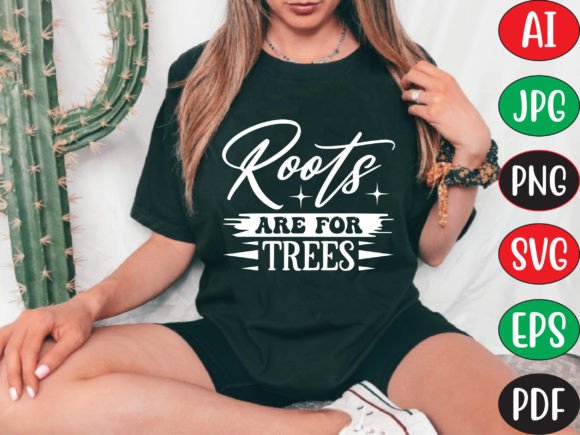
It’s also clear that the design is built with versatility in mind. The file includes multiple formats—AI, EPS, SVG, PDF, PNG, JPG—so it can be used across different platforms and software. The high-resolution mockups give a realistic sense of how it would look on fabric, which is invaluable for designers who want to present their work professionally.
Real-World Embroidery Performance
When I tested Roots Are for Trees on a sample tote bag, the results were promising. The design stitched cleanly, with even stitch density and no major issues. The root structure didn’t get lost in the fill areas, and the lines remained sharp. For a design that’s meant to be both decorative and meaningful, that’s a big plus.
It works well on a range of fabrics too. On cotton, it looked crisp and professional. On a slightly textured linen, the design still held up, though the texture added a subtle dimension that could be intentional for a rustic look. On stretchy materials, like a sweatshirt, the design maintained its shape without distortion, which is important for commercial use.
One thing to note: the design may require some adjustment if you’re working with smaller hoop sizes. The roots spread out a bit, so if your machine has limited space, you might need to split the design or adjust the placement. Also, on dark fabrics, the thread color choice becomes more critical. Lighter threads might not show up as well, so testing is key.
Where to Use It—and Where to Be Cautious
Roots Are for Trees fits naturally into a wide array of projects. It’s perfect for custom apparel, especially for brands that want to convey a sense of growth, sustainability, or connection to nature. It also works great as an embroidered patch, a baby item, or a holiday gift. Its clean lines make it suitable for both personal and commercial use.
However, there are a few situations where caution is advised. If you’re working with very thin or stretchy fabric, the design might not hold up as well. Similarly, if the design is going to be on a curved surface like a cap or a hat, you’ll need to ensure that the stitching doesn’t get distorted. Tiny details, like the tips of the roots, could be lost if the stitch density is too low or if the fabric is too tight.
For embroidery projects that will see frequent washing, it’s important to use the right stabilizer and ensure that the stitches are secure. This design is strong, but like any machine embroidery design, it benefits from proper preparation.
How It Enhances Visual Appeal and Value
Roots Are for Trees adds a unique visual element to any project. It’s not overly complex, but it’s not simple either. The balance between negative space and detail gives it a polished look that can elevate a handmade product or a small business offering. When used on a custom t-shirt or a personalized gift, it can create a sense of authenticity and care that customers appreciate.
From a business perspective, this design offers flexibility. It can be sold as a digital product, used in print-on-demand setups, or incorporated into a physical product line. Its editable nature means it can be adapted to fit different branding needs, making it a valuable asset for Etsy sellers, craft entrepreneurs, and boutique owners.
Practical Designer Notes
If you’re considering using Roots Are for Trees in your next project, here are a few things to keep in mind:
- Test on scrap fabric first to see how the design looks and behaves on your chosen material.
- Check thread color contrast to ensure visibility on different fabric backgrounds.
- Review stitch density to avoid issues with fabric puckering or uneven stitching.
- Confirm hoop size before starting, especially if you have a smaller embroidery machine.
- Inspect small details like the root tips to make sure they come through clearly.
- Test in black and white mockups to see how the design holds up without color.
- Compare light and dark fabric backgrounds to determine the best thread colors.
- Use proper stabilizer for best results on delicate or stretchy fabrics.
- Check licensing before selling finished items or digital products.
Roots Are for Trees is a solid addition to any embroidery file collection. It’s versatile, easy to work with, and has a natural aesthetic that resonates with a wide audience. Whether you’re creating a custom tote bag, a baby onesie, or a holiday gift, this design can help bring your vision to life. Just remember to test it thoroughly and consider the specific requirements of your project before committing to the final product.